







R3,166
Ex Tax:R2,753
R133,283
Ex Tax:R115,898
Subcategories
8824
Optical NetworkingMatch every switch por..
2981
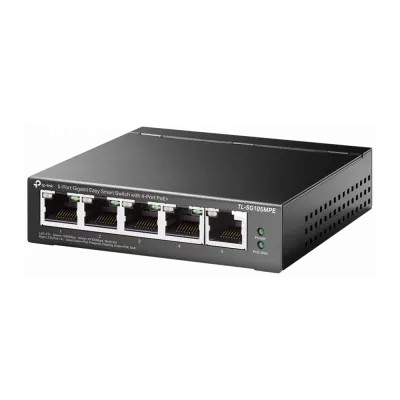
Networking EquipmentBuild a cleaner, fas..
768
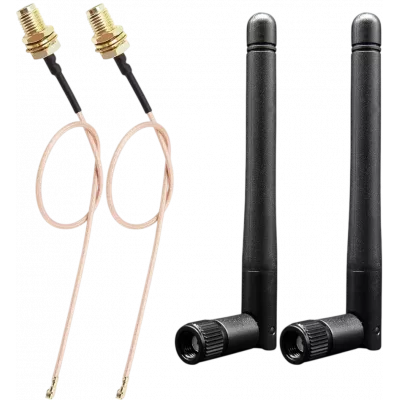
Wireless Signal PlanningChoose wireless ..
580
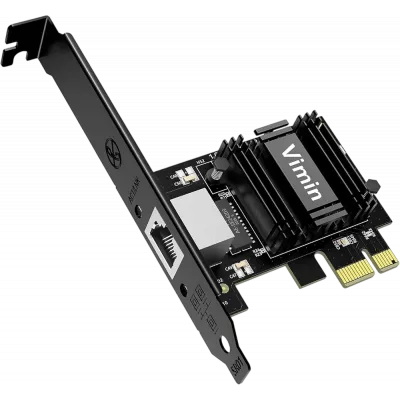
NetworkingFrom 1GbE to 800GbE — PCIe Net..
707
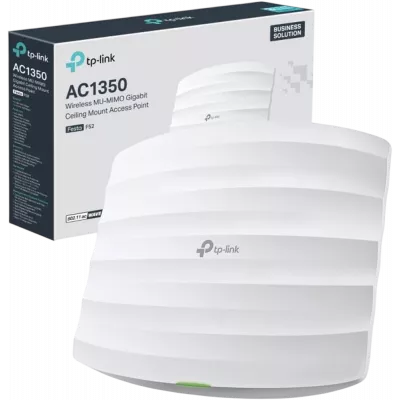
NetworkingEnterprise & SMB Wireless Acce..
1206
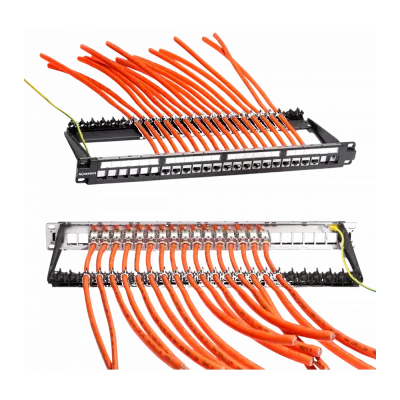
Structured Network CablingChoose patch p..
541
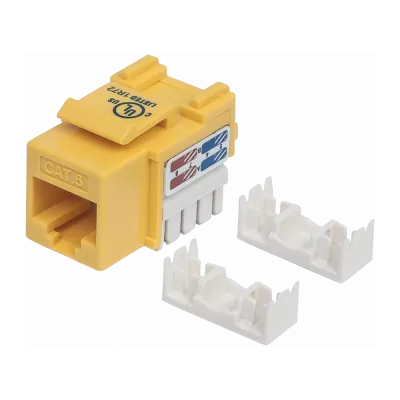
Structured Cabling TerminationChoose RJ4..
332

Mobile Connectivity InfrastructureChoose..
531
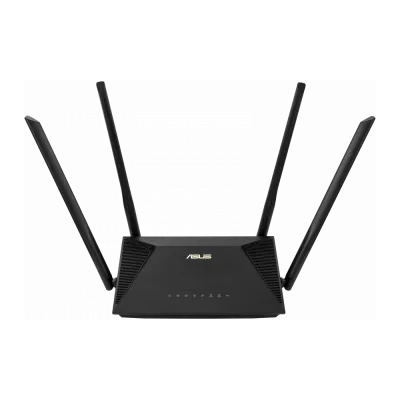
NetworkingWireless Routers Built for Eve..
495
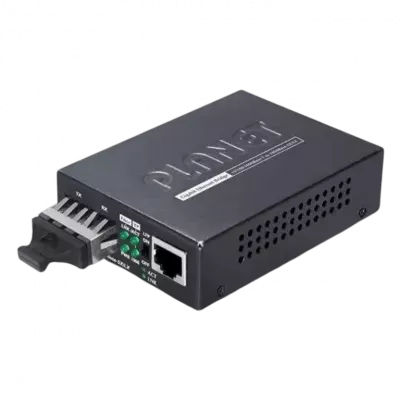
Copper to Fiber Network LinksChoose netw..
491
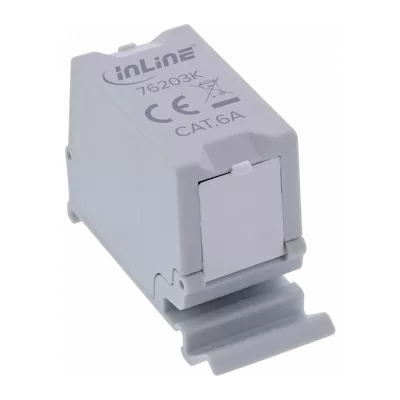
Modular Cabling InsertsChoose Keystone m..
676
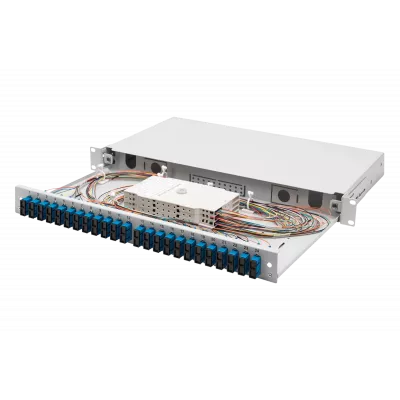
NetworkingChoose Fibre Optic Splice Boxe..
222

NetworkingChoose Mesh Wi-Fi Systems with..
175
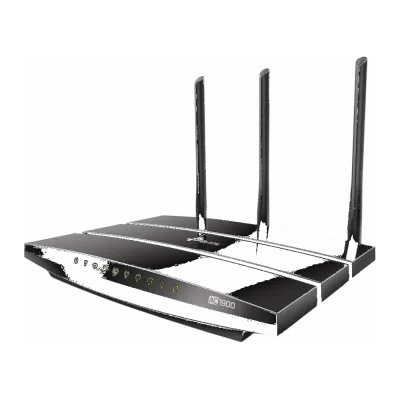
NetworkingEnterprise-grade routing for e..
364
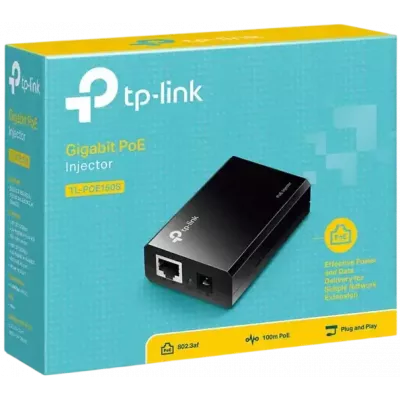
NetworkingChoose PoE Injectors with conf..
232
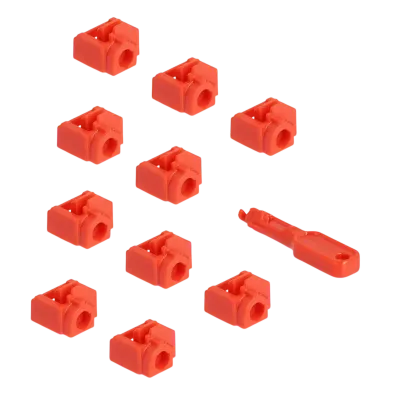
NetworkingChoose Port Blockers with conf..
299
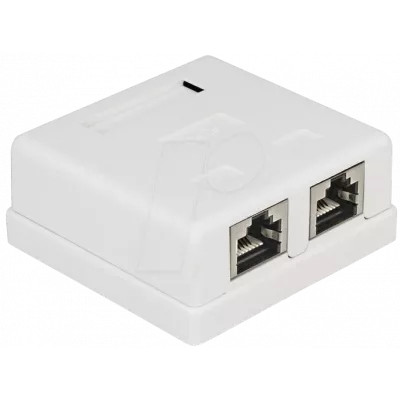
NetworkingChoose Network Junction Boxes ..
184
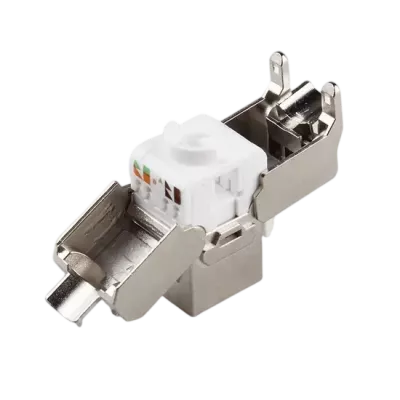
NetworkingChoose Keystone Modules Access..
110
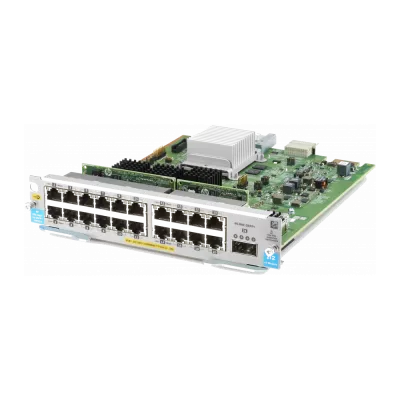
NetworkingChoose Network Switch Modules ..
183
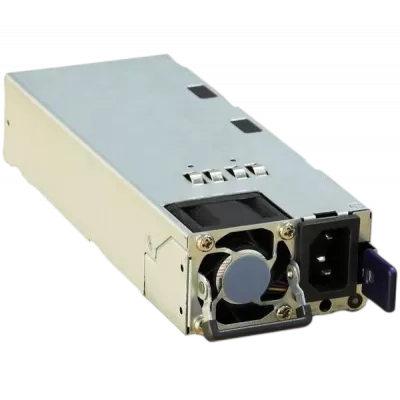
NetworkingChoose Network Equipment Power..
107
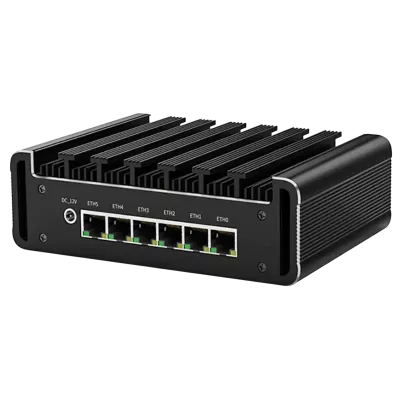
NetworkingChoose Hardware Firewalls with..
153

NetworkingChoose Network Card Brackets w..
113
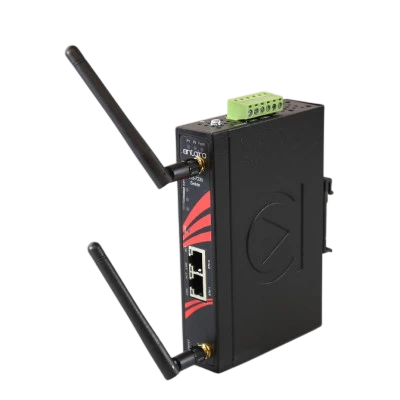
NetworkingChoose Bridges & Repeaters..
131

NetworkingChoose Port Dust Covers with c..
104
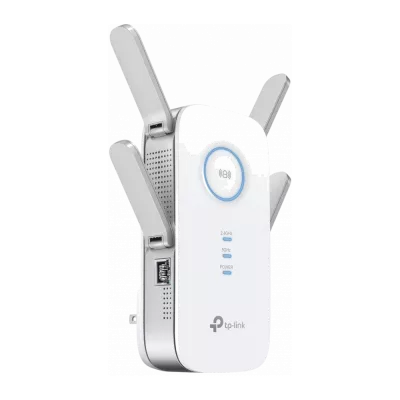
NetworkingChoose Range Extenders with co..
118
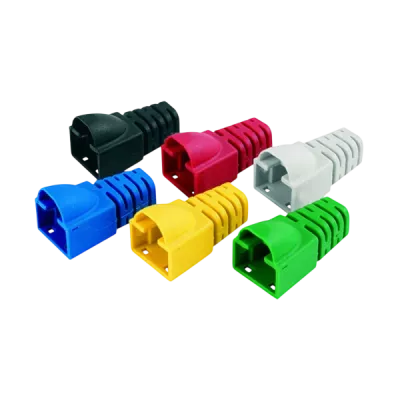
NetworkingChoose RJ45 Boots with confide..
168
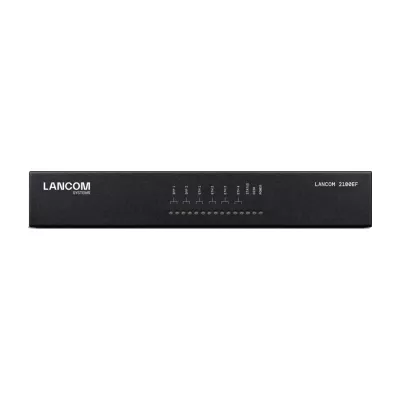
NetworkingChoose Gateways/Controllers wi..
591
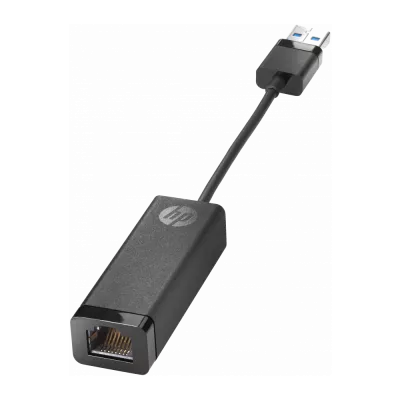
Network Connectivity UpgradesChoose netw..
191
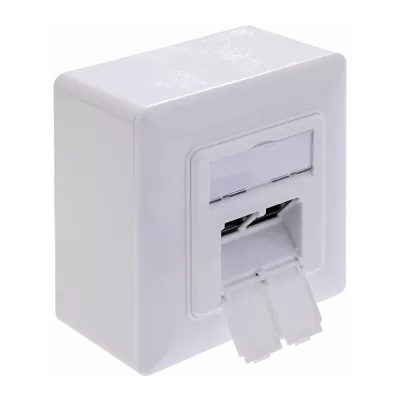
NetworkingChoose Network Outlets with co..
107
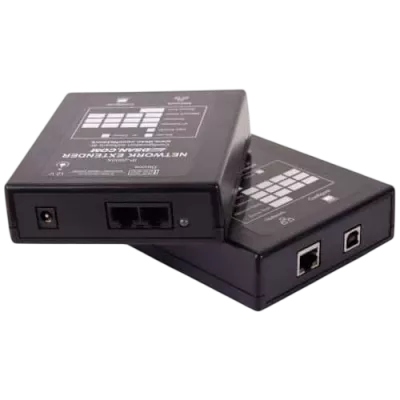
NetworkingChoose Network Extenders with ..
98
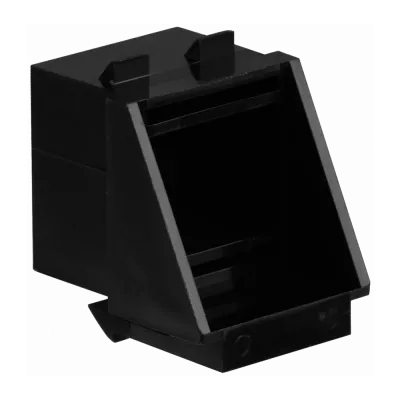
NetworkingChoose Patch Panel Accessories..
68
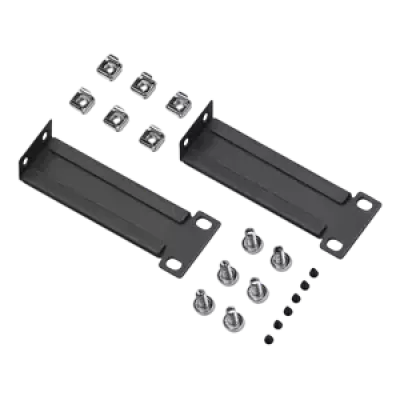
NetworkingChoose Network Equipment Spare..
171

NetworkingChoose Network Mounting Kits w..
41
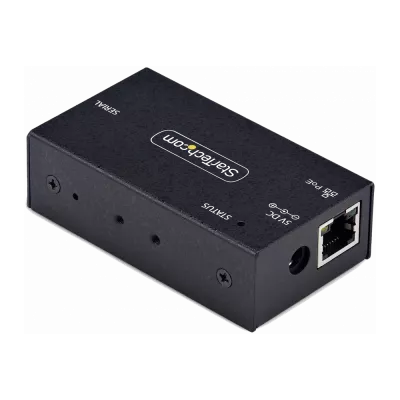
NetworkingChoose Serial Servers with con..
181
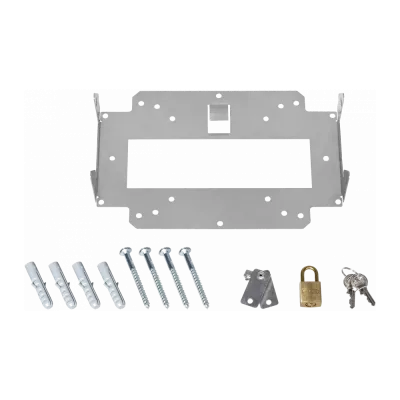
NetworkingChoose Network Cabinet Accesso..
71
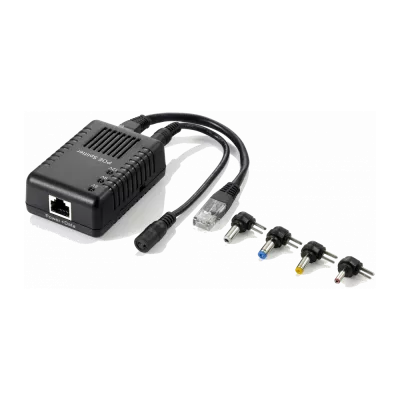
NetworkingChoose Network Splitters with ..
79
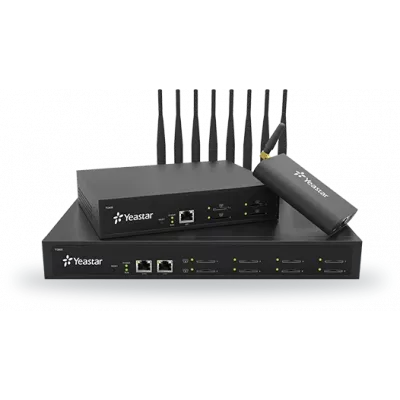
NetworkingBridge Your Legacy Phone Syste..
78
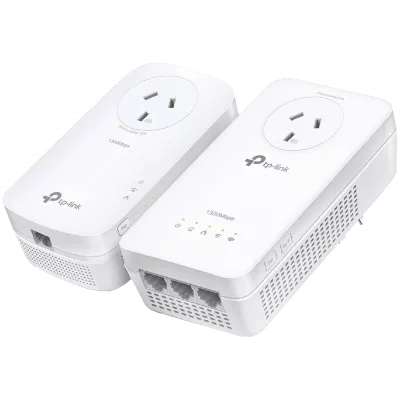
NetworkingChoose Powerline Extenders wit..
39
NetworkingChoose Wireless Access Point A..
52
NetworkingChoose Modems with confidence ..
40
NetworkingChoose Wireless Access Point M..
39

NetworkingStay Connected Anywhere — 4G &..
52
NetworkingChoose Print Servers with conf..
19
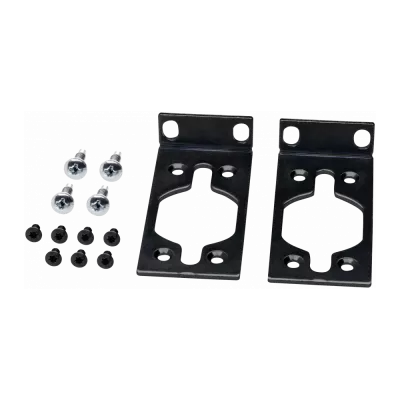
NetworkingChoose Network Switch Componen..
33
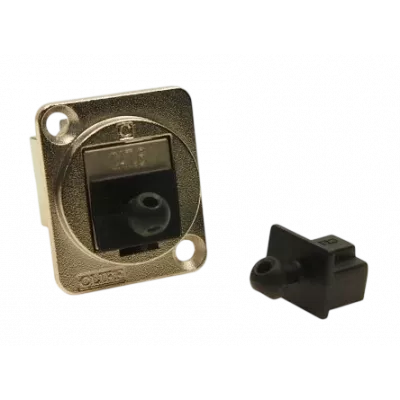
NetworkingChoose Network Outlet Accessor..
44
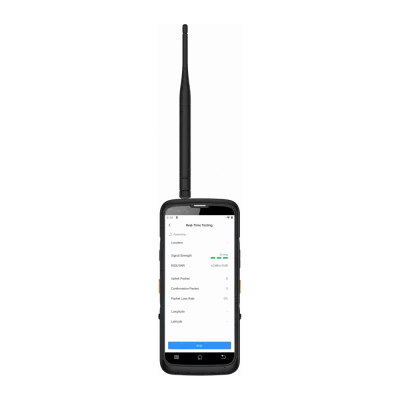
NetworkingChoose Network Testers with co..
23
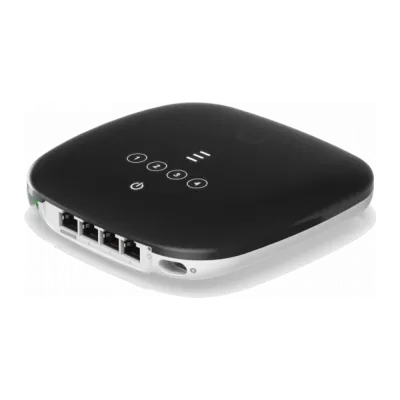
NetworkingChoose Optical Network Termina..
561
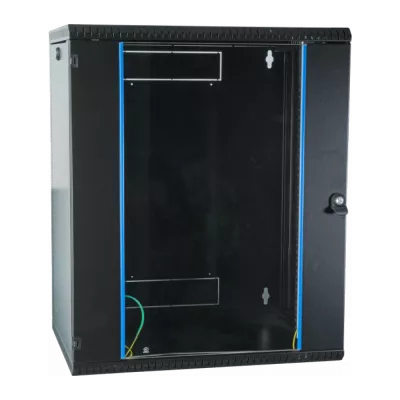
NetworkingChoose Network Cabinets with c..
176
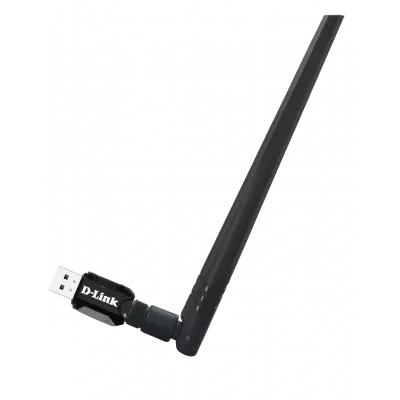
NetworkingChoose USB WiFi Adapters with ..
22
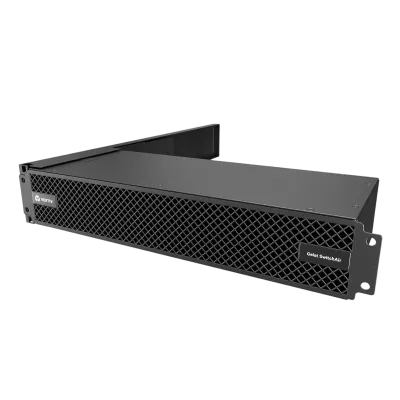
NetworkingChoose Network Equipment Chass..
28
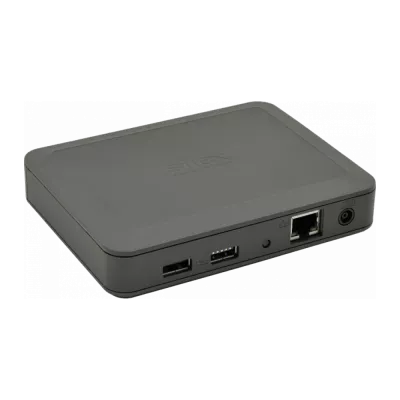
NetworkingChoose Device Servers with con..
22
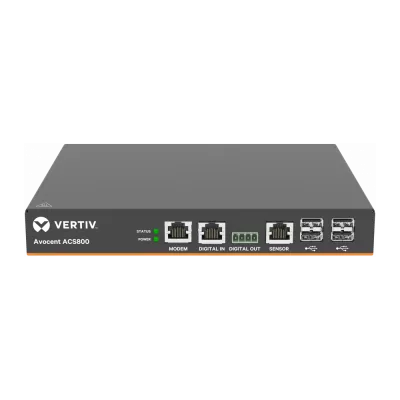
NetworkingChoose Console Servers with co..
8
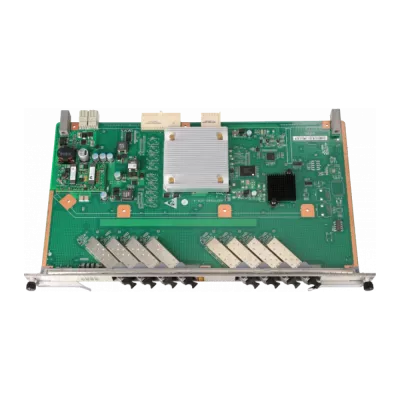
NetworkingEnterprise-Grade GPON & XGS-PO..
48
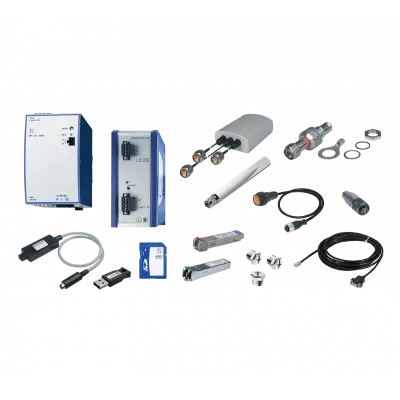
NetworkingChoose Network Accessories wit..
104
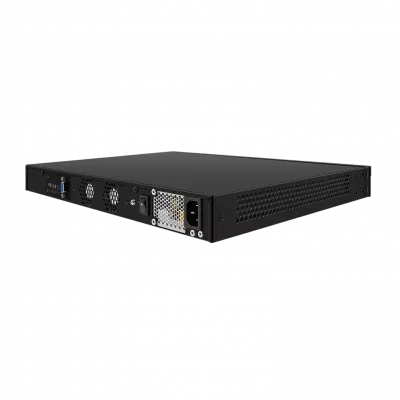
NetworkingChoose Network Security & ..
10
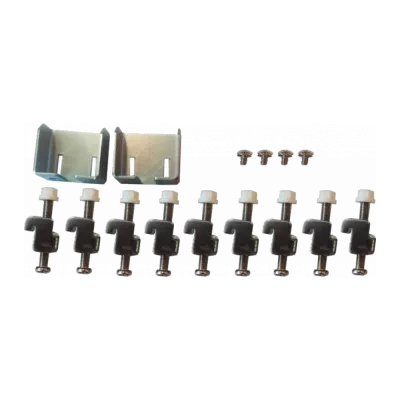
NetworkingChoose Industrial Computer Mou..
25
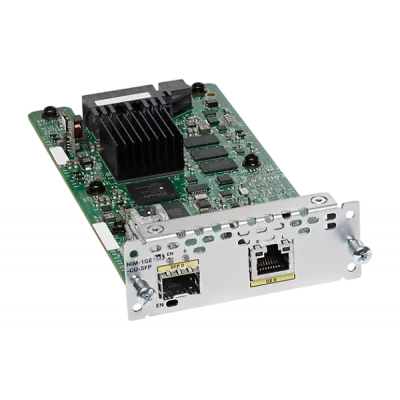
NetworkingChoose Router Interface Module..
4

NetworkingChoose Radio Devices with conf..
0
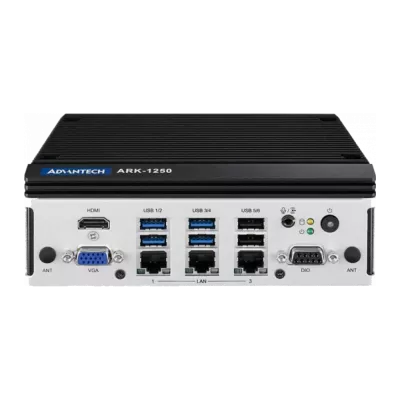
NetworkingChoose Industrial Computers wi..
3
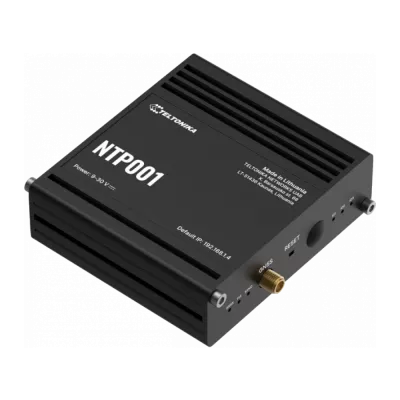
NetworkingChoose Network Time Servers wi..
8
NetworkingChoose Network Virtualization ..
1
NetworkingChoose Fiber Distribution Cabi..
1
NetworkingChoose Load Balancers with con..
1
NetworkingChoose LoRaWAN Development Kit..
3
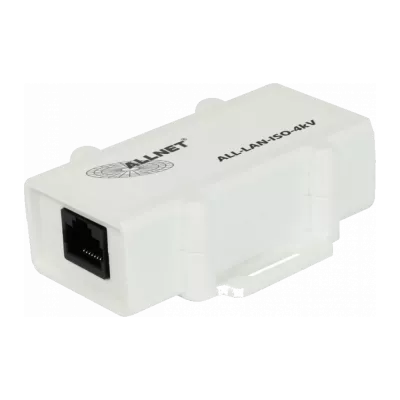
NetworkingChoose Network Isolators & PoE..
11
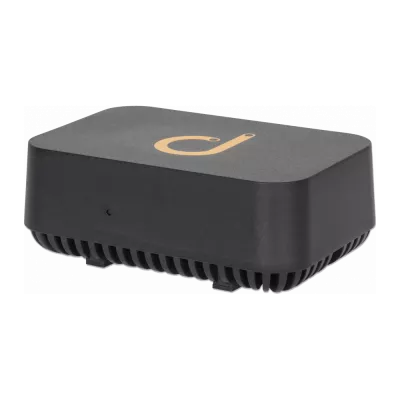
NetworkingChoose Network Monitoring Devi..
4
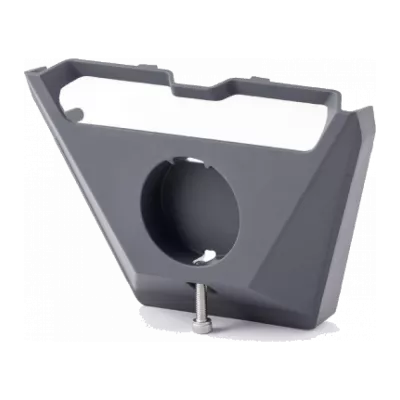
NetworkingChoose Starlink Mounting Acces..
111
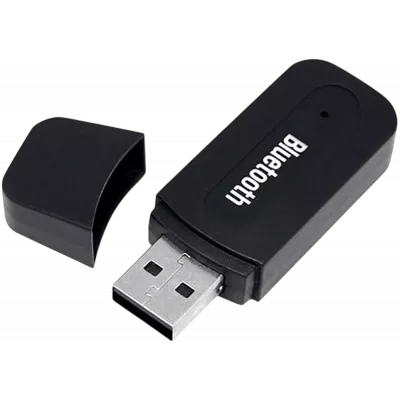
NetworkingChoose USB Bluetooth Adapters ..
145
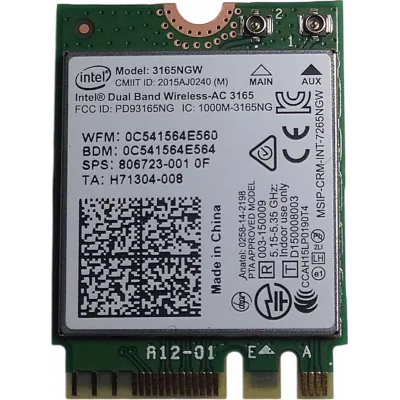
NetworkingChoose M.2 Wireless Network Ad..
105
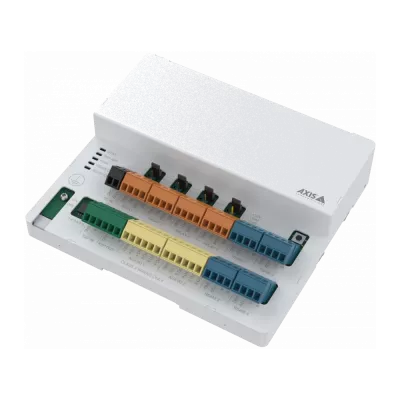
NetworkingChoose Network Communication M..
Network Infrastructure
Build networks that stay fast, traceable and easy to service
DistriNode brings together the core pieces of modern network infrastructure: SFP and fiber modules, managed and unmanaged switches, access points, routers, PCIe adapters, patch panels, Keystone modules, media converters, PoE injectors and mobile network devices for offices, racks, campuses, warehouses and service providers.
24,283 products892 brandsFiber → EdgeOfficial distributor
How to Choose Networking Equipment
Start with topology
Map uplinks, access ports, PoE devices, rack space and cable type before choosing switches, modules or patch panels.
Match speed and optics
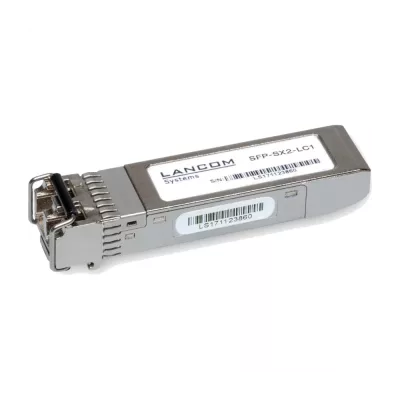
SFP, SFP+, QSFP and fiber cables must match port speed, wavelength, distance and connector type. Compatibility matters more than the label on the module.
Plan management and security
VLANs, PoE budgeting, monitoring, redundancy and remote access are essential when the network supports phones, cameras, Wi-Fi and production systems.
Keep serviceability visible
Label patch panels, choose proper Keystone modules and keep spare transceivers. Clear cabling saves hours during outages and expansions.
What You’ll Find Here
Leading Networking Brands
BLUEOPTICSDELOCKCISCOHPETP-LINKUBIQUITIDIGITUSPLANETD-LINKLEVELONEMIKROTIKMOXAINLINEStarTechNETGEARTRENDNET
Deployment tip: For business networks, document every uplink, VLAN and optic pair. A good switch is only as reliable as the port plan, power budget and spare module shelf behind it.
Frequently Asked Questions
How do I choose the right SFP module?
Check port type, speed, fiber mode, wavelength, connector, distance and vendor compatibility. Single-mode and multi-mode optics are not interchangeable.
What matters in a PoE switch?
Calculate the total wattage of access points, cameras and phones, then leave headroom. Also check per-port limits and cooling.
When should I use managed switches?
Use managed switches when you need VLANs, monitoring, redundancy, QoS or remote troubleshooting. For business networks, they usually pay for themselves quickly.